By Rebecca Martin
If you have seen the phrase cold pressed oil on a skincare label, it usually means the oil has been mechanically pressed from seeds, kernels or nuts without the high heat or harsh solvent processing often used to maximise yield. For skin, that matters because a good face oil is not just about “oil” as a texture. It is about freshness, plant source, extraction method, storage, skin feel and how well it fits into your routine.
This guide explains what is cold pressed oil, why cold pressing can be a useful quality marker, when to use oils alongside moisturisers, and how to choose from different oils for skin.
What is cold pressed oil?
A cold pressed oil is made by pressing plant material to release its oil while keeping processing temperatures low. This is different from highly refined oils, where heat, bleaching, deodorising or solvents may be used to create a more neutral, consistent oil.
For skincare, cold pressing is often valued because it helps retain more of the oil’s natural character: its colour, light aroma, texture and fatty-acid profile. That does not automatically mean every cold pressed oil is right for every skin type, but it is a useful starting point when you want a simpler, less processed ingredient.
Research into natural plant oils also notes that extraction and refinement are important when choosing oils for skin care. A review published on PubMed describes cold pressing as a preferred extraction method because it is heat- and chemical-free, helping preserve beneficial lipids and limit irritating by-products. You can read the review here: Natural Oils for Skin-Barrier Repair.
Cold pressed oil for skin: why quality matters
Two bottles of oil can look similar but feel very different on the skin. The plant variety, harvest quality, freshness, extraction method and packaging all influence the final oil.
-
Freshness: delicate unsaturated oils can oxidise over time, especially if exposed to heat, light and air.
-
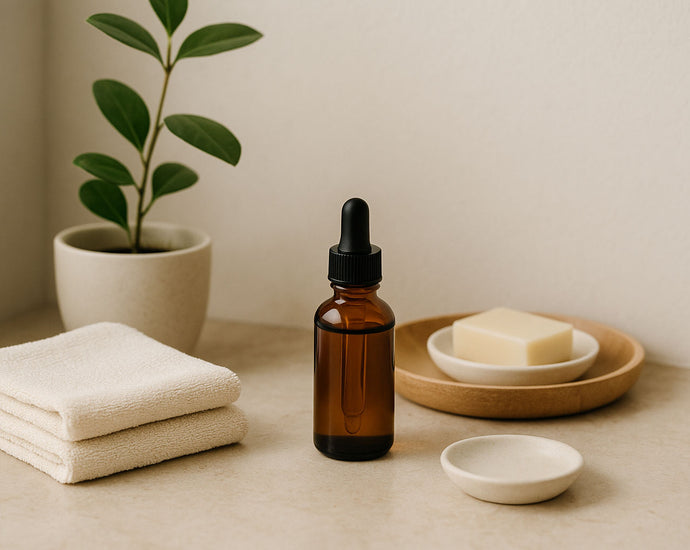
Packaging: darker or light-protective packaging helps keep oils in better condition after opening.
-
Texture: some oils feel silky and dry; others feel richer and more cushioning.
-
Purity: single-ingredient oils make it easier to understand exactly what you are applying.
-
Fragrance: a pure oil may have its own natural aroma from the raw plant material, but that is different from added fragrance.
At Conscious Skincare, our natural and organic cold pressed oils are designed as simple, multi-use oils for face, body and hair, with options including rosehip, jojoba, argan, apricot kernel, hemp, evening primrose, sweet almond, abyssinian and bakuchiol oil.

Why choose cold pressed oils instead of, or alongside, moisturiser?
A moisturiser and a face oil do not do exactly the same job. A cream or lotion usually contains water-based ingredients, humectants and emulsifiers to hydrate and soften the skin. A face oil is lipid-based. It does not “add water” in the same way, but it can soften the feel of dry skin, add comfort, and help reduce the feeling of moisture escaping after cleansing or applying a water-based serum.
That is why many people use cold pressed oils in addition to moisturiser rather than instead of it. If your skin feels tight after cleansing, try applying a few drops of oil onto slightly damp skin, or press it over your moisturiser as the final comfort step in the evening.
This can be especially helpful when skin feels weather-exposed, dull, flaky or less comfortable than usual. A face oil can be the flexible extra step you add only where needed: cheeks, dry patches, neck, hands, elbows, hair ends or cuticles.
What cold pressed oils can do for skin
The best way to think about natural oils for skin is comfort, softness and flexibility. Plant oils are rich in different triglycerides and fatty acids, which influence how an oil feels and performs on the skin. A Frontiers review on vegetable oils notes that their emollient effect can improve skin hydration by helping reduce transepidermal water loss. You can read more here: Vegetable Butters and Oils for Dermal Use.
-
Soften: oils can make dry or rough-feeling skin feel smoother.
-
Comfort: they can add a cushioned feel when skin feels tight after cleansing.
-
Support your routine: they layer well with toners, serums and moisturisers.
-
Add glow: a tiny amount can make dull skin look fresher and more supple.
-
Multi-task: many oils can also be used on hair ends, nails, cuticles and dry body areas.
The key is choosing the right oil for the way your skin feels, rather than assuming the richest oil is always best.
How to choose quality face oils by skin feel
There is no single “best” organic facial oil for everyone. A better question is: what do you want the oil to feel like, and where will you use it?

-
For a lightweight daily feel: try Organic Jojoba Oil. Jojoba has a naturally silky feel and is popular for combination or balanced routines.
-
For glow and mature skin routines: try Certified Organic Rosehip Oil. It is lightweight, naturally rich in colour and often chosen for radiance-focused evening routines.
-
For hair and skin versatility: try Organic Argan Oil or Abyssinian Oil. Both can be used on the face and through dry hair ends for a smoother-looking finish.
-
For soft, comfort-first care: try Organic Apricot Kernel Oil or Sweet Almond Oil, especially if you like a gentle, cushiony feel.
-
For problem-prone or lightweight routines: try Organic Hemp Oil, which has a light, natural feel and suits simple routines.
-
For evening care: try Organic Evening Primrose Oil for comfort, or Bakuchiol Oil if you are looking for a plant-based evening oil with a more active-style routine feel.
If you would like a more detailed comparison of rosehip, argan, jojoba and bakuchiol, our guide on how to choose the right facial oil goes into more detail.
Why use cold pressed oil on hair and body too?
One of the biggest advantages of a simple oil is versatility. You do not need separate products for every dry area if one good oil can be used in several ways.
-
Face: press 1–3 drops onto slightly damp skin, or layer over moisturiser at night.
-
Hair: smooth a tiny amount through dry ends to reduce the look of frizz and add shine.
-
Body: massage into damp skin after bathing, especially elbows, shins and dry patches.
-
Hands and nails: rub a drop into cuticles or rough-feeling knuckles.
-
Massage: use a little more on shoulders, arms or legs when skin needs extra slip.
Used this way, a cold pressed face oil becomes more than a facial step. It is a flexible skin, hair and body product that can help simplify your routine.
How to use cold pressed oil without feeling greasy
The most common mistake is using too much. A quality face oil should be used in drops, not pumps and pumps at a time.
- Cleanse as usual.
- Apply toner, hydrolat or serum if using.
- Place 1–3 drops of oil into your palm.
- Warm between fingertips.
- Press into slightly damp skin, focusing on areas that feel dry or tight.
- Use alone, mix one drop with moisturiser, or apply after moisturiser in the evening.
If your skin still feels oily after ten minutes, you have probably used too much. Blot the excess and use less next time. For more routine-order advice, read our winter-friendly face oils guide.
How to spot a better quality cold pressed oil
When choosing a cold pressed oil for skin, look beyond the front label. A good oil should make it easy to understand what is inside, how it is packaged and how it fits your routine.
-
Clear ingredient name: ideally one recognisable plant oil, listed clearly.
-
Cold pressed or unrefined information: especially for delicate seed oils.
-
Suitable packaging: aluminium or darker packaging helps protect from light.
-
No unnecessary perfume: choose no added fragrance if your skin is easily unsettled.
-
Use guidance: the page should tell you how much to use and where it fits in your routine.
-
Ethics: vegan, cruelty-free and refill options can make your choice feel better for the long term.
For a broader explanation of why fatty acids matter to skin comfort, the Linus Pauling Institute has a useful skin-health overview here: Essential Fatty Acids and Skin Health.
Why choose Conscious Skincare cold pressed oils?
Our cold pressed oils are chosen for people who want simple, effective and versatile skincare without unnecessary extras. Many are single-ingredient oils, making them easy to understand and easy to slot into your existing routine.
- Natural and organic oil options for face, body and hair.
- Vegan and cruelty-free Conscious Skincare standards.
- No added fragrance in pure single-ingredient oils; any aroma comes naturally from the oil itself.
- Aluminium bottles and refill options across many oils.
- Useful for minimalist routines, travel, massage, hair ends and dry body areas.
Explore the full cold pressed oils collection to find the texture and feel that best suits your skin.
FAQs about cold pressed oil
Is cold pressed oil better for skin?
Cold pressed oil can be a better choice when you want a less processed plant oil with more of its natural colour, aroma and fatty-acid profile intact. It still needs to suit your skin type, so texture and freshness matter too.
Can I use cold pressed oil instead of moisturiser?
You can use it alone if your skin feels comfortable, but many people prefer using oil alongside moisturiser. A cream adds water-based hydration; an oil adds softness and helps the skin feel more cushioned.
Which cold pressed oil is best for the face?
For a light feel, try jojoba or hemp. For glow-focused routines, try rosehip. For richer comfort, try apricot kernel, sweet almond or evening primrose. For hair and skin versatility, argan and abyssinian are especially useful.
Can oily or combination skin use face oil?
Yes, but choose a light texture and use only one or two drops. Apply to damp skin and avoid layering too many rich products at once.
Should I use face oil morning or night?
Either can work. Morning use should be very light, especially under SPF or makeup. Evening is ideal if you like a more comforting final step after cleansing.