By Rebecca Martin
If you’re dealing with menopause itchy skin, you’re not imagining it. As hormones shift, skin can become drier, thinner-feeling and more easily irritated, which can leave it tight, uncomfortable and prone to itching. The good news is that a gentle, barrier-supportive routine can often help skin feel calmer and more comfortable again.
This guide focuses specifically on itchy skin in menopause, so it stays distinct from our broader guide to menopausal skin care. We’ll look at why it happens, what usually helps, and how to build a simple routine without making skin feel overloaded.
Menopause itchy skin: why it happens
Menopause itchy skin is mainly caused by falling oestrogen levels, which reduce the skin’s natural oils and weaken the skin barrier, making dryness and irritation more likely.
One of the common skin changes during menopause is that skin can become drier and itchier. As oestrogen levels fall, skin may hold moisture less well, and a weaker skin barrier can make it easier for everyday things like hot water, weather changes or over-cleansing to leave skin feeling uncomfortable. The NHS lists dry and itchy skin as a recognised menopause symptom.
That does not mean every itch is “just menopause”, but it does explain why skin that was once fairly easy-going can suddenly start feeling reactive, rough, papery or persistently dry.
For some women, the face feels tighter after washing. For others, it is the neck, chest, arms or lower legs that feel most uncomfortable. In many cases, the common thread is dryness plus a barrier that needs more support and less stress.
Is itchy skin a sign of menopause?
Yes, it can be. The NHS includes dry and itchy skin among common menopause symptoms, alongside changes such as hot flushes, sleep disruption and vaginal dryness.
That said, itchy skin can also have other causes. Central heating, colder weather, over-exfoliation, fragranced products, eczema flares, allergies and some medical conditions can all play a part. If itching is severe, unusual, widespread, or happening with a rash that worries you, it is sensible to get it checked rather than assume hormones are the only reason.
The most useful way to think about it is this: menopause can make skin more vulnerable to dryness and irritation, so routines that once felt fine may suddenly feel too strong.
How to soothe itchy skin in menopause naturally
The aim is not to throw ten new products at the problem. Usually, skin feels best when you do a little less, but do it more consistently.
-
Cleanse gently: choose a face wash that does not leave skin feeling squeaky or tight.
-
Moisturise while skin is still comfortable: creams and oils help most when they are used regularly, not only when skin feels very dry.
-
Keep showers lukewarm rather than hot: very hot water can worsen dryness.
-
Apply moisturiser after washing: the American Academy of Dermatology advises moisturising soon after bathing or washing to help trap moisture in the skin.
-
Simplify strong actives if skin is irritated: if your routine includes lots of exfoliation or treatment layers, it may be worth scaling back temporarily.
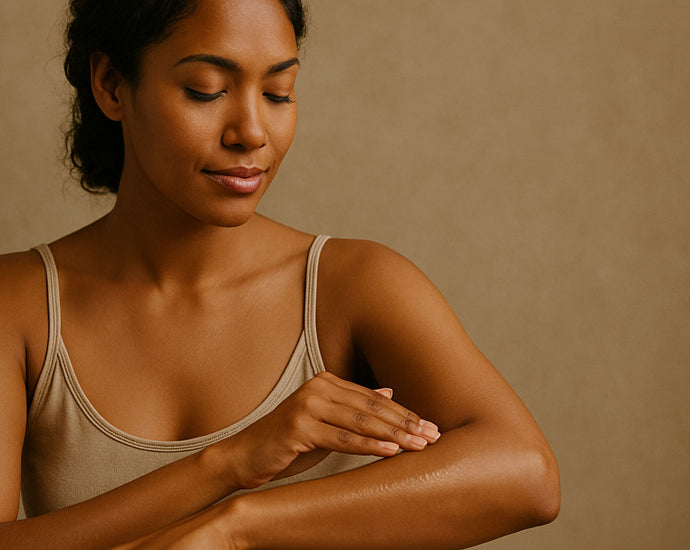
If your skin is also feeling dry on the body, the same principle applies. The focus should be on reducing irritation, keeping routines simple, and supporting the skin barrier rather than chasing “quick fixes”.
Quick summary: menopause itchy skin
During menopause, falling oestrogen levels can leave skin drier, more delicate and less able to hold moisture comfortably. This can make everyday factors like hot water, harsh cleansers and dry air feel more irritating than before.
The most helpful approach is usually simple: keep cleansing gentle, use a fragrance-free moisturiser, and support the skin barrier with consistent hydration. If needed, a few drops of facial oil can help skin feel more comfortable without overcomplicating your routine.
A simple skincare routine for menopause itchy skin
You do not need a complicated routine here. A calm, repeatable rhythm is usually the best place to start.
1. Cleanse softly
If your skin feels itchy, start with a gentle cleanse rather than anything foaming or stripping. For mature skin, Rejuvenate Organic Face Wash is a good option if you want a comfortable cleanse without that tight post-wash feeling. If your skin is especially dry or sensitive, Gentle Face Wash may be the better fit.
2. Add comfort back in
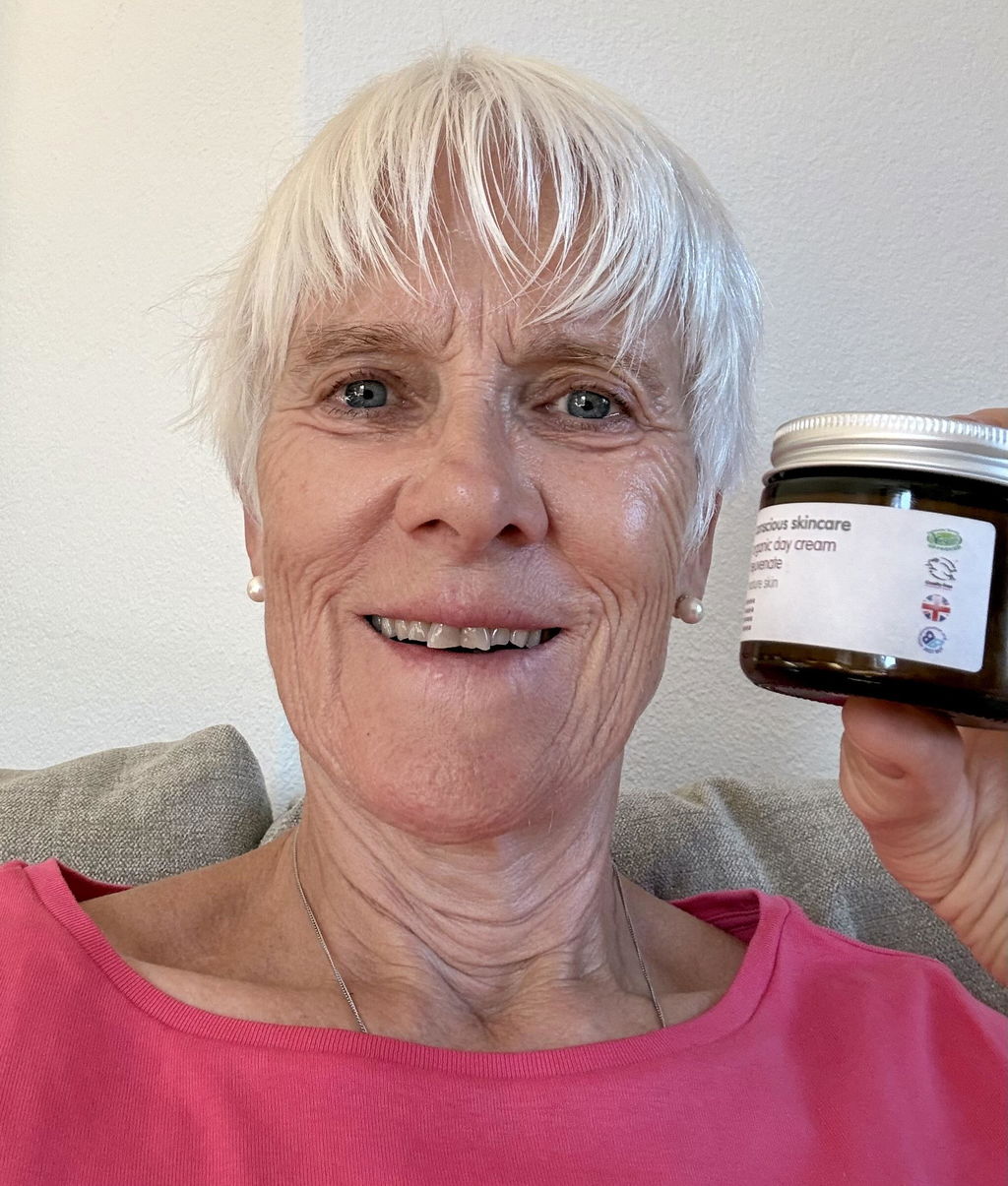
If skin feels sore, papery or easily irritated, reach for a moisturiser that is more about comfort than “activity”. For drier, more sensitive skin, Gentle Day Face Cream is a useful place to start. If your skin is mature and dryness is sitting alongside fine lines or loss of bounce, Rejuvenate Day Natural Moisturiser gives a richer daytime option.
3. Seal in extra nourishment if needed
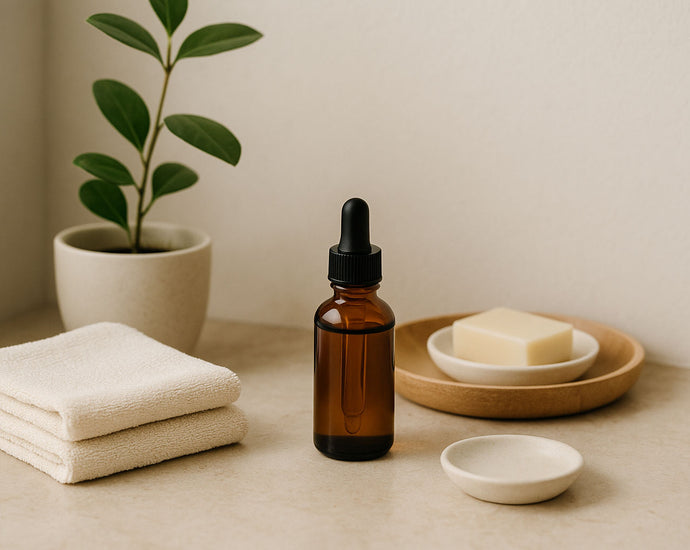
When skin still feels itchy after moisturiser, a few drops of facial oil can help skin feel more cushioned. Certified Organic Rosehip Oil is a lovely choice for dry, mature skin that wants extra nourishment, while Organic Jojoba Oil is a lighter option that many people find easy to use morning or night.
A few drops of facial oil can help skin feel more comfortable when dryness and itching are persistent.
4. Keep evenings a little richer
Night is often a good time to use a more comforting moisturiser. If your skin is feeling especially dry, Rejuvenate Night Cream can help skin feel softer and more supported by morning.
The key is not to pile everything on at once. Start with the basics, give skin a little time to settle, and then build slowly if needed.
What to avoid if itchy skin menopause is flaring
When skin is already uncomfortable, the wrong routine can keep the cycle going.
-
Over-cleansing: washing too often or using harsh cleansers can worsen dryness.
-
Very hot water: lovely in the moment, but often not lovely afterwards if skin is already itchy.
-
Too much exfoliation: skin that feels rough does not always need stronger exfoliation; sometimes it needs more moisture.
-
Fragrance-heavy routines: skin that is hormonally drier can become less tolerant of heavily scented products.
-
Constant product switching: if your skin is unsettled, give a simple routine long enough to show whether it helps.
If body skin is also itchy, the AAD advises moisturising immediately after washing and choosing creams or ointments rather than very light lotions where skin is especially dry. Their dry-skin relief advice is useful here.
Does menopause cause itchy skin everywhere or just on the face?
It can be both. Some women mainly notice menopause itchy skin on the face because that is where cleansing, weather exposure and active skincare all meet. Others notice it more on the neck, chest, arms, shins or around the torso, especially if body skin is already dry.
That is why it helps to think in terms of overall comfort, not just one product. Gentler washing, regular moisturising and reducing unnecessary irritation on both face and body can make a real difference over time.
When to get persistent itching checked
A mild increase in dryness and itch can fit with menopause, but persistent itching should not always be written off as hormonal. It is a good idea to speak to your GP or another healthcare professional if:
- the itching is severe or worsening
- you have a rash, broken skin or signs of infection
- it is disturbing your sleep regularly
- it started very suddenly
- you feel worried something else may be going on
Skincare can support comfort beautifully, but it is still worth getting persistent or unusual symptoms checked properly.
Menopause itchy skin FAQs
Does menopause cause itchy skin?
It can. The NHS includes dry and itchy skin among recognised menopause symptoms, likely linked to hormonal changes that affect moisture levels and skin comfort.
Is itchy skin a sign of menopause?
Yes, it can be, especially if it appears alongside other menopause symptoms. It is still worth looking at the wider picture, because dryness, irritation and unrelated skin conditions can overlap.
What is the best cream for menopause itching?
Usually, the best option is a gentle, barrier-supportive cream that helps skin feel comfortable again. If your skin is dry and sensitive, Gentle Day Face Cream is a good starting point. If dryness sits alongside mature-skin concerns, Rejuvenate Day Natural Moisturiser may be the better fit.
How long does itchiness in menopause last?
It varies. For some women it comes and goes, while for others it lingers as part of ongoing dryness. A steady, supportive routine is often more helpful than switching products constantly.
Can oils help itchy skin in menopause?
They can be a useful final step when skin feels dry and undernourished. A few drops of Rosehip Oil or Jojoba Oil over moisturiser can help lock in comfort without making the routine complicated.
If your skin is changing more broadly too, our guide to menopausal skin care covers the wider picture, including dryness, dullness and routine-building.