Skincare for dry and sensitive skin in winter – a gentle routine
By Rebecca Martin
Cold air outside, central heating inside and a busier-than-normal December can leave even balanced complexions feeling tight, flaky and reactive. If you already have dry and sensitive skin, winter can feel like a long stretch of discomfort – but it doesn’t have to be. Rather than chasing dramatic “glow-ups” or harsh detoxes, this guide focuses on a calm, realistic winter skin care routine that helps your skin feel more comfortable again. It’s written for skincare for dry and sensitive skin in winter, with gentle steps you can actually stick to.
We’ll look at why winter skin can be so challenging, how to build a simple, barrier-friendly routine, and where gentle, fragrance-free (no added fragrance) skincare can support dry and sensitive skin through the colder months.
Why dry and sensitive skin struggles in winter
Many people notice dry skin in winter even if their skin is usually normal or combination. For dry and sensitive skin, the same factors are amplified:
-
Cold air and wind – low humidity, wind and rain can strip away surface lipids, so skin loses water more quickly and feels rough or chapped.
-
Central heating – warm, dry indoor air pulls moisture from the skin, making tightness, flaking and fine lines more visible.
-
Hot showers and baths – long, very warm showers can dissolve skin’s natural oils, especially if you use strong foaming cleansers or body washes.
-
Richer food, alcohol and stress – the festive season often means late nights and lifestyle changes which can show up as dullness, sensitivity or breakouts.
If you live with conditions such as eczema, psoriasis or rosacea, these changes can sometimes trigger flare-ups. A gentle, consistent skincare routine can help your skin feel more comfortable, but it’s always best to speak to a healthcare professional if you’re managing a diagnosed skin condition or notice new, persistent symptoms.
For more general information on dry and itchy skin, and when to seek medical advice, you can read guidance from the NHS on itchy skin. Some NHS organisations also share winter-focused tips for mild dry skin, such as using gentler cleansers, shortening showers and moisturising regularly – for example the NHS Shropshire, Telford and Wrekin mild dry skin self-care page.
Core principles of skincare for dry and sensitive skin in winter
When you think about skincare for dry and sensitive skin, especially in winter, it helps to come back to three simple ideas:
-
Be kind to your barrier – choose products that support your skin’s natural protective layer, rather than stripping it away.
-
Add more water and oil – combine hydrating, water-based layers with nourishing oils and butters to lock moisture in.
-
Do less, but better – a short, calm routine usually serves dry and sensitive skin more than lots of new actives and steps.
With that in mind, let’s build a realistic winter skincare routine that you can tweak for face and, if needed, for body as well.
Build a simple winter skin care routine (AM & PM)
This gentle winter skin care routine is designed with dry and sensitive skin in mind. You can adapt it by skin type, but the overall structure stays the same.
Step 1 – Cleanse gently, don’t strip
In winter, cleansing is about washing day (or night) without leaving skin feeling squeaky or tight. For all skin types:
- Choose a mild, natural cleanser that uses plant oils or gentle surfactants instead of strong sulphates.
- Use lukewarm water rather than very hot water, which can dissolve skin’s natural oils.
- Morning: you may only need a very quick cleanse or a water-plus-toner approach if your skin is extremely dry.
Step 2 – Add calm hydration
After cleansing, give your skin a drink. Look for hydrating layers that feel light but comforting:
- Use a gentle, alcohol-free toner or hydrolat to add water back to the skin.
- For dry and sensitive skin, floral waters such as rose can feel soothing and balancing.
- Apply while skin is still slightly damp from cleansing to help lock water in.
A product like our Rose Hydrolat Rose Water Toner can be used morning and evening after cleansing to add a soft, hydrating step without heaviness.
Step 3 – Nourish with facial oils and moisturisers
This is where you help your skin feel more supple and comfortable again. Oils and moisturisers are especially important for dry skin in winter because they slow down water loss from the surface.
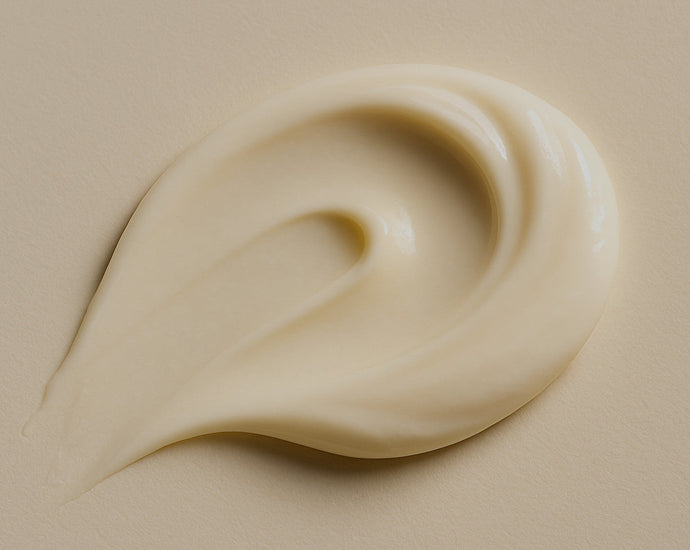
- Choose moisturisers made with rich butters (like shea and cocoa) and plant oils that are kind to sensitive skin.
- Look for fragrance-free (no added fragrance) options if your skin reacts easily (all our moisturisers don't have ingredients added for fragrance)
- At night, add a few drops of a facial oil on top of your cream for extra comfort.
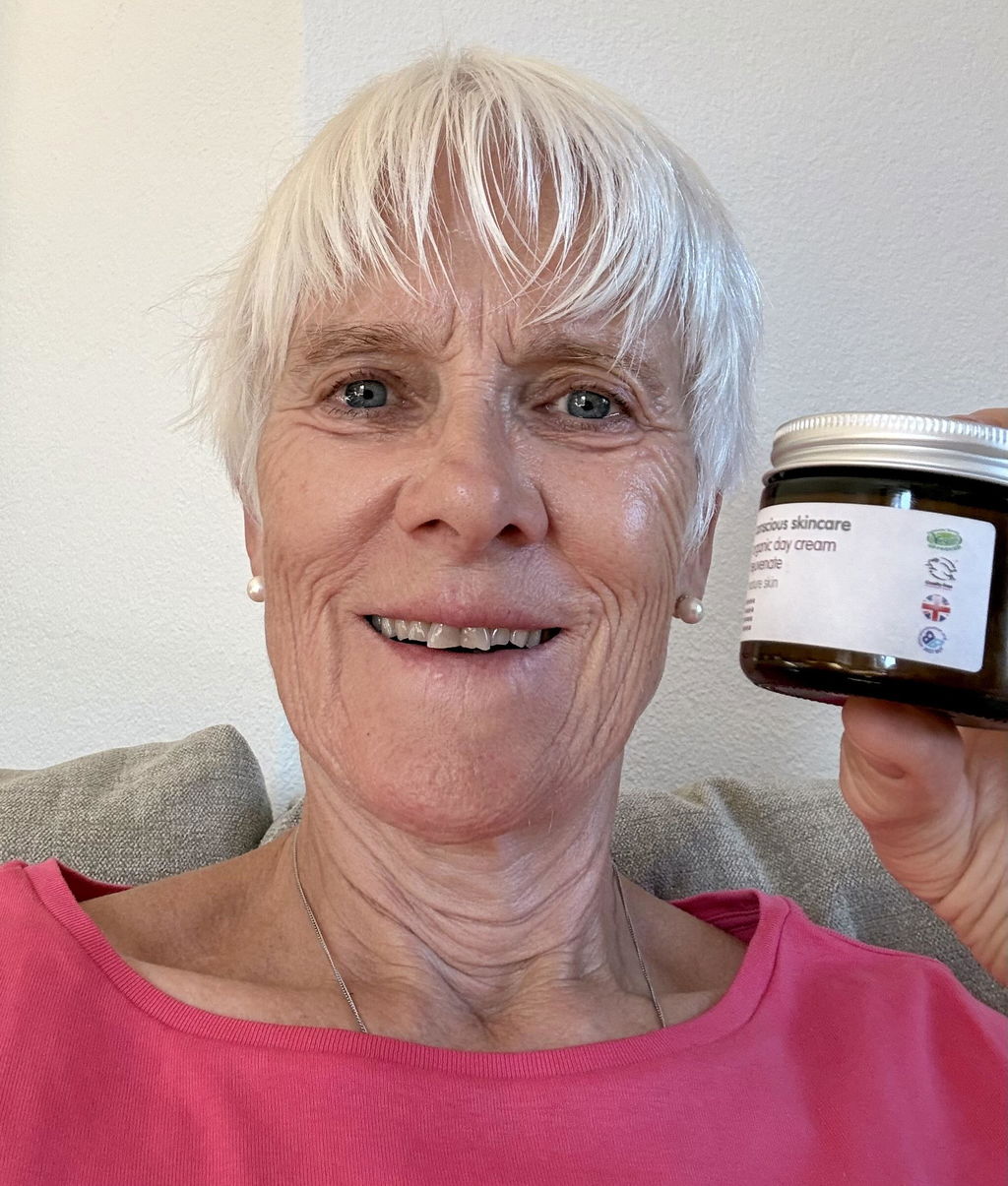
If you are refreshing your routine, it can help to start by exploring our range of natural face moisturisers, then layering in a facial oil that suits your skin.
Cold-pressed oils such as Organic Jojoba Oil and Organic Argan Oil can help your skin feel more nourished, especially when applied in the evening over toner and before, or mixed with, your moisturiser.
Step 4 – Daytime protection
In the day, finish with a moisturiser that feels comfortable under make-up (if you wear it) and supports your barrier with ingredients like plant oils, butters and humectants. Many people also like to use a separate SPF product during the day as part of their overall sun protection habits, even in winter, particularly if they’ll be outdoors for long periods or at higher altitudes.
Don’t forget body care in your winter skin care routine
Face often gets most of the attention, but winter skin on the body can feel just as dry and sensitive – especially on shins, hands and arms.
- After a shower or bath, apply a light, hydrating body lotion while skin is still slightly damp to help seal in moisture.
- On very dry areas like elbows, knees and shins, switch to a richer body butter for extra comfort.
- Look for our Pure fragrance-free (no added fragrance) option if your body skin is easily irritated by perfume or essential oils.
Taking an extra minute to moisturise your body after bathing can make a noticeable difference to how comfortable your skin feels throughout the day.
Winter skincare for dry and sensitive skin – do’s and don’ts
When your skin is dry and sensitive, the way you use products matters just as much as which products you choose.
Do
-
Patch test new products on a small area before applying to your whole face (or body)
-
Keep your routine consistent so your skin has time to adjust.
-
Moisturise after bathing while skin is still slightly damp, to help seal in moisture.
-
Choose fragrance-free (no added fragrance) formulas for face and body where possible.
-
Moisturise regularly – apply a simple, unperfumed moisturiser to dry areas throughout the day, especially after washing or bathing, and follow any personalised advice from your healthcare professional if you have a diagnosed skin condition. General NHS guidance on managing dry, itchy skin at home can also be a helpful starting point.
Don’t
-
Over-exfoliate – physical scrubs and frequent acid exfoliants can be too much for winter skin, especially if it’s already dry or sensitive.
-
Layer lots of new actives at once – introducing strong retinoids, acids and vitamin C together can leave the skin feeling hot and reactive.
-
Rely on very hot water for long showers or baths – try shorter, lukewarm showers instead.
-
Ignore persistent irritation – if your skin doesn’t settle, or you notice new symptoms, it’s important to get personalised advice from a healthcare professional.
Three simple tips to support dry and sensitive winter skin
From our own experience and customer feedback, these three tweaks are especially helpful when your skin is feeling parched and delicate:
-
Seal in moisture – choose moisturisers that contain richly moisturising butters, such as shea and cocoa, alongside plant oils. Apply them after cleansing and toning to help lock in hydration and support softer-feeling skin.
-
Don’t forget your lips – lips have a very thin barrier and can become chapped quickly in cold weather. You can often use a small amount of your facial moisturiser around the lip area to help prevent dryness; travel sizes or mini samples are perfect to keep in your bag or pocket.
-
Support your skin’s barrier – look for creams that combine plant oils such as avocado and rosehip with hydrating ingredients. These can help your skin feel smoother, more supple and less “tight” during the winter months.
A gentle winter skin care routine by skin type
Every skin is unique, but these simple suggestions can help you tailor a winter skincare routine to your dry and sensitive skin.
-
Very dry, sensitive skin
Gentle cream or lotion cleanser, Chamomile Hydrolat or similar hydrating toner, a few drops of a facial oil such as Jojoba or Rosehip, and a richer moisturiser or serum at night. Keep exfoliation to a minimum and avoid strong cleansers. Explore our face moisturisers for dry and sensitive skin to find a texture that feels comfortable.
-
Combination but sensitive
Gentle gel or lotion cleanser, hydrating toner, a light layer of facial oil on the drier areas and a mid-weight moisturiser. You may only need oil on cheeks and not on the T-zone.
-
Oily but sensitive or acne-prone
Mild, non-stripping cleanser, hydrating toner and a small amount of balancing oil like jojoba in the evening, followed by a lightweight moisturiser. The aim is to support the barrier without overloading the skin.
A 7-day gentle reset for winter skin
If your routine has become a bit hectic, a short reset can help calm things down without asking you to change everything.
-
Days 1–2 – Simplify
Strip your routine back to the basics: gentle cleanse, hydrate, moisturise. Avoid adding new actives or exfoliants for a couple of days.
-
Days 3–4 – Hydrate and nourish
Add in a consistent hydrating step (such as a toner or hydrolat) morning and evening, and use a facial oil or serum at night over damp skin.
-
Days 5–7 – Notice and adjust
Pay attention to how your skin feels rather than how it “should” look. If it still feels tight, you may need a richer cream at night. If it feels heavy, you can reduce how often you use oil or switch to a lighter texture.
This kind of gentle reset respects dry and sensitive winter skin, and gives your barrier time to feel calmer without dramatic changes.
New year, gentler skin – same you, just calmer
You don’t need a “new you” to care for your skin in winter. A kinder routine, a focus on skincare for dry and sensitive skin and a few thoughtful choices can make a real difference to how comfortable your skin feels day to day.
If you’d like some support in choosing products, our ranges include fragrance-free (no added fragrance) options and gentle formulations that are designed with sensitive and reactive skin in mind. You can explore hydrating toners like Rose Hydrolat Rose Water Toner, facial oils such as Organic Jojoba Oil and Organic Argan Oil, as well as our face moisturisers, body lotions and body butters for head-to-toe comfort.
Whichever products you choose, remember: small, consistent steps are often more powerful than sweeping changes. New year, gentler skin – same you, just calmer.