Rosehip Face Oil: How to Use It for Glowing, Healthy Skin
By Rebecca Martin, Founder of Conscious Skincare
Rosehip face oil is a nutrient-packed botanical rich in vitamins A, C, and essential fatty acids—ideal for nurturing radiant, resilient skin.
In simple terms, the main rosehip oil benefits for skin include helping skin feel softer and more hydrated, supporting the skin barrier, improving the look of radiance and uneven pigmentation, and caring for dry or mature-feeling skin. Its light texture also makes it easy to incorporate into an existing skincare routine without needing to replace the products you already enjoy.
What Makes Rosehip Oil So Special?
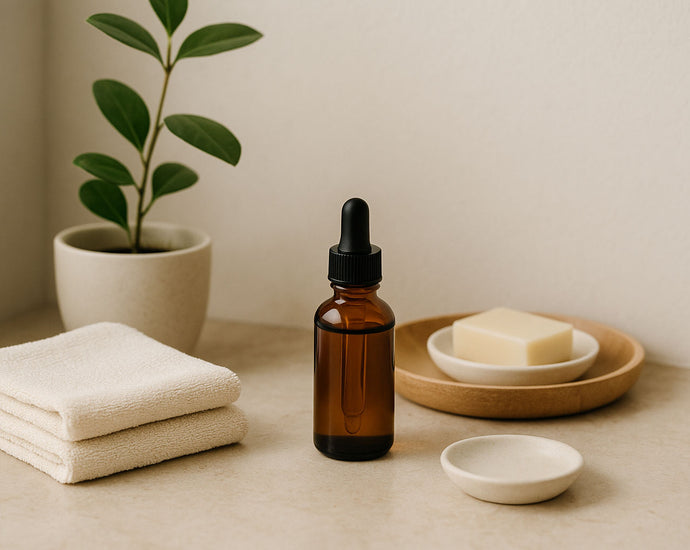
Cold-pressed from rosehip seeds, rosehip oil retains powerful phytonutrients like natural retinoic acid, vitamin C, and linoleic acid. Our Certified Organic Rosehip Oil is Soil Association approved, 100% pure, and devoid of fillers or scent.

Main Benefits of Rosehip Face Oil
-
Anti-aging boost: Vitamin A supports skin cell renewal and smooths fine lines.
-
Radiance and tone: Vitamin C enhances glow and evens pigmentation.
-
Deep hydration: Essential fatty acids restore moisture and strengthen the skin barrier.
-
Scar and wound support: A study on wound healing found significant improvements and scar reduction with rosehip oil [1].
-
Soothes inflammation: Antioxidants calm skin irritation from acne, eczema, or rosacea.
-
Lightweight texture: Fast-absorbing dry oil leaves skin soft, not greasy.
Rosehip Oil Benefits for Skin & Face in More Detail
Hydration & Skin Barrier Comfort
Rosehip oil contains essential fatty acids, including linoleic acid, which help support the skin’s natural lipid barrier. For skin that feels dry, tight or weather-stressed, a few drops can add a softening layer that helps leave the complexion feeling more comfortable and supple.
Because rosehip is a relatively lightweight facial oil, it can provide this extra nourishment without necessarily creating the heavier finish associated with some richer plant oils.
Radiance, Pigmentation & Uneven-Looking Tone
One of the reasons rosehip oil is so popular for the face is its association with brighter, more even-looking skin. Its naturally occurring vitamin C and antioxidant compounds support radiance, while vitamin A compounds are valued in routines concerned with pigmentation, dullness and uneven texture.
Rosehip oil does not need to be used as an aggressive treatment step. Instead, it can form part of a consistent routine alongside gentle cleansing, moisturising and daily SPF.
Fine Lines & Mature Skin
Rosehip oil is also a natural choice for mature and ageing skin. Its vitamin A content, essential fatty acids and emollient texture help support softness, suppleness and a smoother-looking complexion.
If fine lines are one of your main concerns, the oil works best as part of a wider routine that also keeps skin well hydrated and protected from UV exposure.
Scars & Post-Blemish Marks
Rosehip oil is frequently chosen by people concerned about the appearance of scars and post-blemish marks. We cover this separately because scar care deserves more detail than a single benefit claim.
Read our evidence-led guide to rosehip oil for scars for what research suggests, how to use it and what results are realistic.
Is Rosehip Oil Right for You?
If you’re looking for a facial oil to support dry or mature skin, radiance, uneven pigmentation or a softer, more supple feel, explore our Certified Organic Rosehip Oil.
Is Rosehip Oil Suitable for Your Skin?
- Suits dry, mature, or ageing skin
- Sensitive or reactive skin types
- Oily or acne-prone complexions
- Anyone wanting a natural glow-up!
Dry or Mature Skin
Dry and mature skin often benefits from the extra emollient layer a facial oil provides. Rosehip can be pressed over slightly damp skin or layered with moisturiser when your complexion needs additional softness and comfort.
Sensitive or Reactive Skin
Rosehip oil can suit sensitive or reactive routines, particularly when you prefer simple products without added fragrance. Introduce it gradually and patch-test first if your skin is especially reactive.
Oily or Acne-Prone Skin
A facial oil may sound counter-intuitive if your skin is oily, but rosehip has a light, dry-oil texture and can be used sparingly. Begin with just 1–2 drops rather than applying a heavy layer, and adjust according to how your skin responds.
Combination Skin
If some areas of your face feel dry while others become oily, you do not necessarily need to apply rosehip everywhere. Try pressing a small amount over drier areas such as the cheeks while using less around the T-zone.
How to Use Rosehip Oil
For the face, start with just 2–3 drops of rosehip oil. Apply it to slightly damp skin and gently press or massage it over the face and neck. A little goes a long way, so you can adjust the amount depending on how dry your skin feels.
-
Cleanse: Begin with a gentle face wash.
-
Tone: Spritz our Organic Rose Water Toner.
-
Apply 2–3 drops: Massage onto damp skin.
-
Seal: Finish with moisturiser, or enjoy it solo for a radiant glow.
Use morning and night for best results.
When Should You Use Rosehip Oil in Your Skincare Routine?
Rosehip oil can be used morning or evening. Apply it after lighter, water-based products such as toner or serum. You can then follow with moisturiser if your skin needs it.
In the morning, allow the oil to absorb before applying SPF as your final skincare step. At night, rosehip oil can be used as a nourishing final step or alongside your usual moisturiser.
Should Rosehip Oil Go Before or After Moisturiser?
There is some flexibility because skincare textures vary. If your moisturiser is light and water-rich, you may prefer to apply it before your oil and use rosehip as the final softening layer. Alternatively, a few drops can be pressed into skin before a richer cream.
You can also mix 1–2 drops with your usual moisturiser in your palm immediately before applying it. The best approach is the one that leaves your skin comfortable rather than greasy.
How Much Rosehip Oil Should You Use?
For most faces, 2–3 drops is enough. More oil does not necessarily mean more benefit. Using a small amount helps the oil absorb comfortably and makes it easier to layer with the rest of your routine.
For combination or oilier skin, begin with 1–2 drops. Very dry skin may prefer slightly more, especially during colder weather.

Can You Use Rosehip Oil Every Day?
Yes. Rosehip oil can be used every day if it suits your skin. Start with a small amount once daily and give your skin time to adjust before increasing to morning and evening use.
Daily use does not mean you need to change the rest of your skincare. Rosehip oil works well as an additional nourishing step alongside products you already know suit your skin.
If your skin begins to feel overly rich or congested, simply reduce the amount or frequency rather than abandoning your usual routine.
Using Rosehip Oil With Other Skincare Products
With Toner
Applying rosehip oil to slightly damp skin can make a small amount easier to spread. A hydrolat or gentle toner can therefore be a useful step immediately beforehand.
With Serum
Apply a water-based serum first and give it a moment to settle before adding your rosehip oil. This allows each product to sit comfortably within the routine rather than mixing several textures together at once.
With SPF
If you use rosehip oil in the morning, sunscreen should still be your final skincare step. Allow the oil and moisturiser to settle before applying SPF.
Rosehip Oil, Rosehip Seed Oil & Cold-Pressed Rosehip Oil
Rosehip oil and rosehip seed oil are commonly used names for oils obtained from rosehip seeds. When choosing an oil for facial skincare, extraction and product quality are also worth considering.
Cold pressing avoids the high temperatures used in some other extraction processes and is commonly chosen for botanical facial oils because it helps retain their natural profile.
Our Certified Organic Rosehip Oil is cold pressed, Soil Association approved and 100% pure.
What Results Can You Expect From Rosehip Oil?
Some benefits are mainly about immediate skin feel: after application, skin can feel softer, smoother and more comfortable.
Changes in the appearance of tone, pigmentation, fine lines or scars are different. These are not overnight effects, and individual results vary. Consistency matters more than applying a large amount of oil at once.
A gentle routine built around regular cleansing, hydration, moisturising and daily sun protection gives rosehip oil the best context in which to support healthy-looking skin.
Frequently Asked Questions
Is rosehip oil good for skin?
Yes. Rosehip oil is good for skin because it combines lightweight moisturising fatty acids with naturally occurring vitamins and antioxidants. It can help skin feel softer and more comfortable while supporting a brighter, smoother and more even-looking complexion. It is especially popular for dry, mature or ageing skin, although the amount you use can be adjusted for your individual skin type.
Is rosehip oil good for acne-prone skin?
Yes. Clinical and anecdotal reports show it helps regulate oil and reduce breakouts [Healthline].
Is it safe during pregnancy?
Yes. Many use rosehip oil to support stretch mark prevention. As always, patch-test first.
Will it clog pores?
No—its lightweight, dry oil texture absorbs quickly without clogging.
Can I use rosehip oil around my eyes?
You can use a very small amount around the orbital bone if your skin enjoys facial oils. Avoid applying too close to the lash line or getting oil directly into the eyes.
Can I use rosehip oil with another facial oil?
Yes, although you do not need several oils in the same routine. You can alternate rosehip with another facial oil depending on how your skin feels and what you want from your routine.
If you are comparing different oils, our Facial Oil Chooser explains the differences between Rosehip, Argan, Jojoba and Bakuchiol.
Clinical Insight
The same wound-healing study [1] also found rosehip oil supports tissue regeneration and collagen formation.
Final Thoughts
Rosehip face oil is a simple yet effective skincare essential—hydrating, calming, and brightening. Our certified organic version ensures purity, sustainability, and visible results.
Its versatility is one of its strengths: use it for extra softness and hydration, build it into a mature-skin routine, or use it when your focus is radiance, pigmentation or more even-looking skin.
Shop Certified Organic Rosehip Oil
Sources