-
Dullness isn’t the same as pigmentation. This post focuses on glow and texture, not dark spots/age spots.
-
More exfoliation doesn’t equal more glow. Overdoing it can make skin feel tight and look irritated (which reads as “dull” on camera and in daylight). The British Skin Foundation notes that a weekly gentle exfoliation helps clear dead cells and can give skin a more glowing appearance. Source.
Most common glow mistakes:
-
Over-exfoliating (it can leave skin feeling tight and looking more “flat”, not more glowy).
-
Using a cleanser that strips (tight-after-washing skin often looks rougher and duller by midday).
-
Skipping daily SPF (UV can worsen visible dullness and uneven tone over time).
Get rid of dull skin fast: 3 quick wins for this week
If you want a brighter-looking finish quickly, start here:
-
Switch to a softer cleanse. A comfortable cleanse helps your moisturiser and serum do their job.
-
Do one gentle exfoliation (not three). Follow with a hydrating serum and moisturiser.
-
Add SPF every morning — even on cloudy UK days. Cancer Research UK recommends sunscreen with at least SPF 30 and 4 or 5 stars, used alongside shade and clothing. Source.
These steps support “freshness” without overpromising. If your skin is reactive, prioritise comfort and consistency over intensity.
How to get glowing skin: 7 gentle steps that actually help
1) Cleanse without stripping (glow starts here)
When skin feels tight after cleansing, it often compensates with dryness, rough patches and uneven makeup. A gentle cleanse supports your barrier and helps your glow products sit better.
2) Exfoliate lightly for smoother, brighter-looking skin
One of the most effective glowing skin tips is simply removing the “veil” of dead cells so light reflects more evenly. Keep it gentle and aim for 1–2× weekly, adjusting down if your skin is reactive.
If you want a deeper skin-type guide, see: How often should you scrub your face?
3) Hydrate in layers (the easiest way to make skin glow)
If you’re wondering how to make skin glow, start thinking “layers”: a light hydrating step, then a targeted serum, then moisturiser. This reduces the look of flakiness and helps skin look plumper and fresher. Hyaluronic acid is widely used in topical skincare for hydration, and reviews of HA-based cosmeceuticals support its role in improving skin hydration and overall skin quality. Source. Vegan note: hyaluronic acid can be made from different sources; where we use it, ours is a vegan, cruelty-free version made via a bacteria-based biofermentation process (not animal-derived).
Tip for dull skin: apply your serum while skin is still slightly damp from toner — it often helps products spread more evenly and reduces that “tight” feeling.
4) Add a targeted serum for radiance support
A serum is your “targeted step” — ideal if you want more glow without piling on lots of products. Niacinamide is a well-studied skincare ingredient with multiple functions in skin, including supporting barrier function and improving the look of uneven tone. Source.
If you’re new to serums, start with one pump and give it 2–3 weeks of consistent use before deciding whether it’s for you.
5) Choose the right day moisturiser (your glow “finish”)
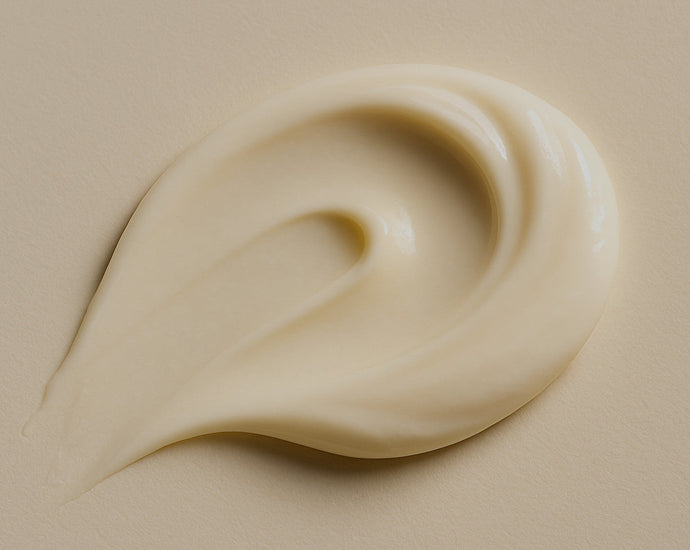
Your day cream is the difference between “hydrated” and “glowy”. If you’ve got the right texture for your skin type, your complexion looks smoother and makeup sits better.
If you’d rather browse, see all options here: Natural & Organic Face Creams.
6) Add a facial oil at night for “spring glow”
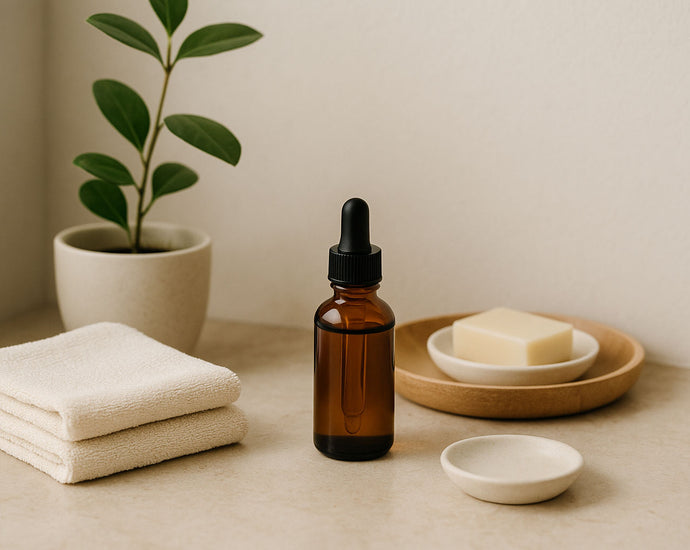
For many people, the most noticeable glow change comes from a comfortable evening step. A facial oil can help skin look softer and more luminous by reducing the appearance of dryness and supporting a smoother surface.
How to use: warm 2–4 drops between palms, then press (don’t rub) over moisturiser. This helps “seal” hydration in and can reduce the look of flakiness by morning.
7) Protect your glow with daily SPF
If you want how to get glowing skin naturally results that last, daily sun protection matters. UV can drive visible dullness, uneven tone and premature signs of ageing. In the UK, Cancer Research UK recommends sunscreen with at least SPF 30 and 4 or 5 stars, used generously and regularly. Source.
Think of SPF as your “glow insurance”: it helps protect the effort you’re putting into hydration and smoothing steps.
Prefer to read it? Here’s the text version of the infographic:
-
Cleanse gently: avoid tight, squeaky-clean skin.
-
Exfoliate lightly: 1–2× weekly (more isn’t better).
-
Hydrate in layers: toner + serum + moisturiser.
-
Use a targeted serum: choose one clear goal (radiance/texture).
-
Match your day moisturiser: comfort = smoother-looking finish.
-
Add a facial oil at night: press over moisturiser if skin feels dry.
-
Protect daily: SPF helps protect against UV-related dullness over time.
Dull skin remedies that don’t involve buying more products
Some of the most effective dull skin remedies are free — and they make your skincare work better:
-
Wash off the day. If you wore SPF or makeup, a thorough (but gentle) cleanse helps prevent build-up that can make skin look flat.
-
Try a 60-second facial massage. Light pressure (not tugging) can help products spread evenly and gives an instant “fresh” look.
-
Change your pillowcase more often. Product residue and oil can transfer back onto skin and dull the finish.
-
Support your sleep routine. Skin usually looks brighter when you’re consistently rested — even if your products stay the same.
-
Keep the air comfortable. If your home is very dry, a small humidifier (or even a bowl of water near a radiator) can reduce that tight, flaky look.
-
Keep exfoliation realistic. If your skin is already feeling sensitive, skip the scrub and focus on hydration for a few days instead.
A simple AM/PM routine for glowing skin
Morning (3–4 minutes)
-
Cleanse (gentle, non-stripping).
-
Hydrate with a light toner (optional but helpful).
-
Serum if you have a clear goal (radiance/texture).
-
Moisturise for your skin type, then apply SPF.
Evening (4–5 minutes)
-
Cleanse thoroughly (especially if you wore SPF).
-
Exfoliate 1–2× weekly (not nightly).
-
Serum for hydration and glow support.
-
Moisturise, then finish with a facial oil if needed.
If your skin is feeling fragile or reactive, do a “comfort week”: cleanse gently, hydrate, moisturise, and use SPF — then reintroduce exfoliation slowly.
FAQs
Why is my skin dull even when I moisturise?
Dullness is often a mix of dehydration and surface build-up. If you moisturise but don’t see a glow, add a gentle exfoliation 1× weekly and try hydrating in layers (toner + serum + moisturiser) so skin looks smoother and more evenly hydrated.
How often should I exfoliate dull skin?
For most skin types, 1–2× weekly is plenty. If your skin feels tight, stingy, or looks red after exfoliating, reduce frequency. More isn’t better — over-exfoliating can make skin look irritated and “flatter”.
What’s the best way to brighten dull skin without harsh actives?
Prioritise a comfortable cleanse, consistent hydration, and daily SPF, then use a gentle exfoliator occasionally. This is the most reliable route if you’re looking for how to brighten dull skin without pushing your barrier too far.
Can face oils make skin glow, or will they clog pores?
Many people find oils make skin look more luminous because they reduce the appearance of dryness and help smooth the surface. If you’re oily or congestion-prone, use fewer drops and apply over moisturiser (rather than replacing it), and patch test first.
How long does it take to see results?
Some “freshness” can show up quickly (especially from hydration and gentler cleansing), but more consistent glow usually takes 2–4 weeks of steady habits — particularly if you’re correcting dryness, over-exfoliation, or an inconsistent routine.
What if I want glowing skin but my skin is sensitive?
Keep your routine minimal and comforting: gentle cleanse, hydrate, moisturise, SPF. Introduce exfoliation slowly (start once weekly) and pause if you notice stinging or redness. Glowy skin and sensitive skin can absolutely go together — it’s usually about less, done consistently.
Conclusion: your simple plan for glowing skin
If you want how to get glowing skin results without upsetting your barrier, keep it simple: cleanse gently, exfoliate lightly 1–2× weekly, hydrate in layers, and protect daily with SPF. Most glow comes from consistency — not intensity.
If your skin is dull and sensitive, start with comfort first (cleanse + moisturise + SPF) for a week, then reintroduce exfoliation slowly.
Ready to build your routine? Explore our Natural & Organic Face Creams and Organic Rose Water (Rose Hydrolat) to support hydrated, fresher-looking skin.