By Rebecca Martin
A good body care routine does not need to be complicated. Just like the skin on your face, the skin on your body can feel dry, tight, rough or uncomfortable when it is exposed to hot showers, cold weather, central heating, sun, shaving, exercise or everyday friction from clothing.
The best routine is simple and repeatable: cleanse gently, exfoliate rough areas carefully, apply body moisturiser after showering, use richer body butter on very dry patches, and add body oil when you want extra softness or massage.
In this guide, we’ll show you how to build a gentle body skin care routine using five easy body care routine steps — without over-scrubbing, overcomplicating things or turning your bathroom shelf into a product overload.
Body Care Routine: Why Body Skin Needs Its Own Care
Quick routine recap: cleanse gently, exfoliate carefully, moisturise straight after showering, choose a lotion, body butter or body oil depending on your skin’s needs, and adjust your routine as the seasons change.
Body skin is often treated as an afterthought. Many of us spend time choosing facial cleansers, moisturisers and serums, but then use whatever shower gel or lotion happens to be nearby for the rest of the body.
Yet areas such as shins, elbows, knees, hands, shoulders and upper arms can become dry, rough or flaky, especially when the weather changes. A simple body routine can help by keeping skin clean, comfortable and well moisturised.
The goal is not to chase perfect skin. It is to create a repeatable routine that supports softness, comfort and confidence — whether you prefer a light body lotion, a richer body butter or a nourishing body oil.
Step 1: Cleanse Without Leaving Skin Tight
The first step in any full body skin care routine is cleansing. A good body wash should leave your skin feeling fresh, not tight, squeaky or stripped.
If your skin feels dry after showering, it may help to switch to a gentler body wash and avoid very hot water. Warm water is usually kinder to skin than a long, hot shower, especially if your skin is already dry or sensitive.
Our natural body wash range includes uplifting botanical blends and fragrance-free (no added fragrance) options, all designed to cleanse without harsh-feeling cleansers or unnecessary added fragrance. If your skin is easily irritated, a simpler no added fragrance option can be a good place to start.
After washing, gently pat your skin dry rather than rubbing hard with a towel. This keeps the routine softer and prepares the skin for moisturiser.
Step 2: Exfoliate Carefully Once Or Twice A Week
Exfoliation can help smooth rough-feeling areas and remove dry surface skin, but more is not always better. Over-exfoliating can leave body skin feeling sensitive or uncomfortable, especially on delicate areas.
For most people, exfoliating once or twice a week is enough. Focus on areas that naturally feel rougher, such as elbows, knees, heels or the backs of the arms. Avoid scrubbing skin that is already sore, broken, sunburnt or irritated.
If you are choosing a natural body exfoliator, look for something that feels effective but not harsh. The aim is soft, comfortable skin — not a raw or overly polished feeling.
You can also use a soft cloth or mitt with gentle pressure, particularly if your skin is sensitive. Keep the pressure light and let your moisturiser do the rest of the work.
Step 3: Moisturise Straight After Showering
Timing makes a big difference. One of the best habits in a body care routine is to apply body moisturiser after showering, while skin is clean and slightly damp.
Although dry skin is often worse in colder months, the same gentle habits can help year-round. Cleveland Clinic recommends applying moisturiser while skin is still damp after showering, while Harvard Health also advises moisturising immediately after bathing or washing and using lukewarm rather than hot water.
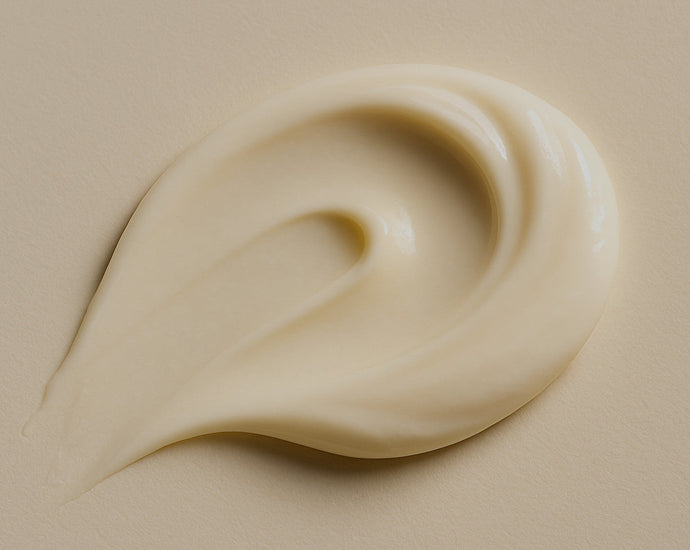
For everyday use, a body lotion is often the easiest texture. It spreads quickly, sinks in well and can be used daily on arms, legs and torso.
If you prefer a no added fragrance option, try Pure Fragrance Free Body Lotion. It is made for sensitive or allergy-prone skin and has no added fragrance or essential oils. If you enjoy a naturally uplifting aroma from essential oils, our Sweet Orange and Frangipani Natural Body Moisturiser is a lovely daily option.
Step 4: Use Body Lotion, Body Oil Or Body Butter Where Needed
Not every area of the body needs the same texture. The best routine is often flexible: lighter lotion for everyday use, richer butter for very dry patches, and body oil when you want extra nourishment or massage.
-
Body lotion: best for quick daily moisturising after a shower.
-
Body butter: best for dry patches, elbows, knees, shins or evening use.
-
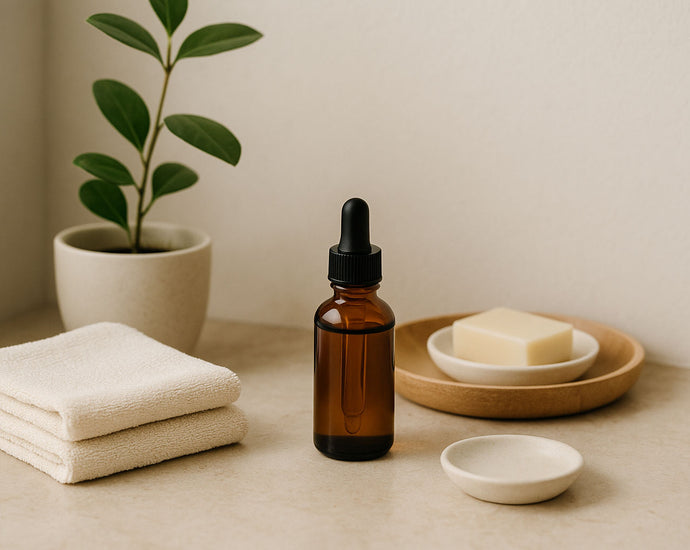
Body oil: best for massage, glow and sealing in a comfortable moisturised feel.
If you are unsure whether to choose lotion or butter, our guide to body butter vs lotion explains the difference in more detail.
If you like using both lotion and oil, the simplest rule is to apply lotion first, then body oil. Lotion brings water-based moisture; oil helps leave skin feeling more supple and comfortable. You can read the full guide here: body oil or lotion first.
For richer care, explore our body butters, including Pure Natural Body Butter for sensitive skin and no added fragrance. These richer textures are especially useful when skin feels dry, tight or in need of extra comfort.
Step 5: Adjust Your Body Care Routine By Season
Your body care routine does not need to look exactly the same all year round. Skin often feels different in winter compared with summer, so it makes sense to adjust textures and frequency as needed.
-
In winter: use richer textures more often, especially on dry shins, elbows, knees and hands.
-
In spring: exfoliate gently to smooth winter dryness and switch to lighter daily layers if your skin prefers them.
-
In summer: use lighter lotions, moisturise after showering, and remember SPF on exposed areas.
-
After swimming or sun exposure: cleanse gently and moisturise to keep skin comfortable.
If your skin is very dry or sensitive, you may still prefer richer body butter even in warmer weather. The best texture is the one your skin feels comfortable with and that you will use consistently.
A Simple Full Body Skin Care Routine At A Glance
If you only remember one thing, keep your full body skin care routine simple and repeatable. You do not need lots of steps to look after body skin well.
-
Cleanse: use a gentle body wash that leaves skin comfortable.
-
Exfoliate: smooth rough areas once or twice a week.
-
Moisturise: apply body lotion after showering while skin is slightly damp.
-
Target: use body butter on dry patches such as elbows, knees and shins.
-
Finish: use body oil when you want extra softness, massage or glow.
This gives you a flexible routine for soft skin that can be adapted to your skin, the season and how much time you have.
How To Choose Products For Your Body Skin Care Routine And Dry Skin
When choosing products for a body routine, think about your skin type, scent preference and how often you realistically want to use them.
-
For sensitive skin: choose no added fragrance options such as Pure Fragrance Free Body Lotion or Pure Natural Body Butter.
-
For everyday softness: use a body lotion after showering.
-
For dry patches: choose a richer body butter.
-
For massage: use a body oil on clean skin.
-
For a more ethical routine: look for vegan, cruelty-free formulas and lower-waste packaging where possible.
You can browse our full natural body care range, including body washes, lotions, butters, oils, refills and fragrance-free options.
FAQs About Building A Body Care Routine
What is a good body care routine?
A good body care routine includes gentle cleansing, occasional exfoliation and regular moisturising. You can then add body butter or body oil where skin feels dry or needs extra comfort.
How often should you exfoliate your body?
For many people, once or twice a week is enough. If your skin is sensitive, dry or irritated, exfoliate less often and use gentle pressure.
Should I use body lotion every day?
If your skin feels dry, tight or rough, daily body lotion can help keep it feeling soft and comfortable. Applying it after showering is a simple habit that is easy to repeat.
Is body oil or lotion better for dry skin?
They do slightly different jobs. Body lotion is useful for everyday moisture, while body oil can add extra softness and comfort. If using both, apply lotion first and oil afterwards.
What is a full body skin care routine?
A full body skin care routine is a simple sequence for the skin below the neck: cleanse, exfoliate gently, moisturise, and target dry areas with richer products when needed.
When should I apply body moisturiser?
The best time is after bathing or showering, once you have gently patted your skin dry and it is still slightly damp.
Final Thoughts: Keep Body Care Simple
The best body care routine is one you can actually keep up with. Cleanse gently, exfoliate carefully, moisturise after showering and use richer textures only where your skin needs them.
With a simple, consistent approach, body skin can feel softer, smoother and more comfortable — without harsh scrubs, heavy fragrance or an overcomplicated routine.