





















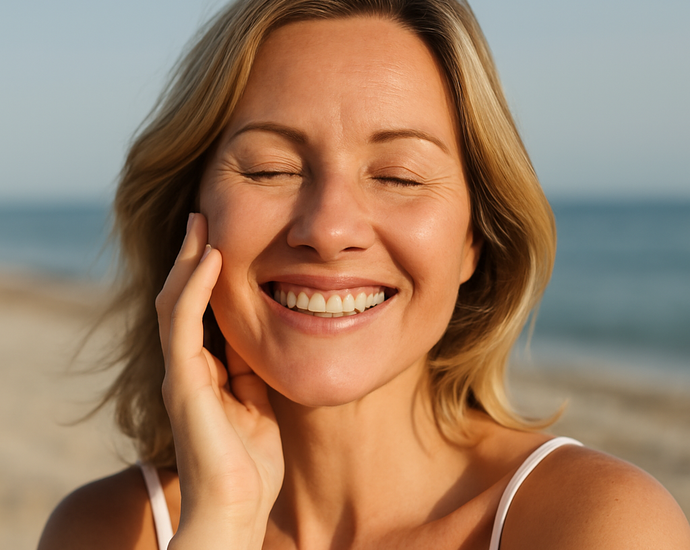


What an amazing scent and luxurious lotion! I never run out!
This is a lovely product that I am never without! It also makes a great gift!
Love the smell. I enjoy using it every day!

By Rebecca Martin
If you are searching for tea tree oil for skin, the most important thing to know is this: tea tree can be helpful in oily or blemish-prone routines, but it needs to be used carefully. It is not a cure for spots, and neat essential oil is not the same as a well-formulated toner, face wash, exfoliator or serum.
Tea tree is best known for its fresh, clarifying character and its long history in problem-skin skincare. For Conscious Skincare, it fits most naturally within the Neutralize range, which is designed for oily, shiny or problem-prone skin that still needs gentle, balanced care.
In this guide, we’ll explain the main tea tree oil benefits, where to be careful, who it suits best, and how to build a simple tea tree skin care routine without overdoing it.

Tea tree oil comes from the leaves of Melaleuca alternifolia. In skincare, it is usually used for its fresh botanical aroma and its association with oily, blemish-prone and problem skin. You may see it listed as Melaleuca alternifolia oil or, in the case of a hydrolat, Melaleuca alternifolia water.
The key point is concentration. Pure tea tree essential oil is strong and should not be treated like a facial oil. A tea tree toner, exfoliator or serum is different because the ingredient is used within a finished product, alongside other ingredients that shape how it feels on the skin.
The National Center for Complementary and Integrative Health notes that topical products containing tea tree oil are generally tolerated by many people, but some people can experience redness or irritation. It also warns that tea tree oil should not be swallowed.
Most people look for tea tree oil benefits because they want skin to feel clearer, fresher and less oily. It is often used in routines for skin that feels shiny, congested or prone to occasional spots.
A balanced way to think about tea tree is:
A 2023 systematic review in Frontiers in Pharmacology found that tea tree oil has been studied across several human health areas, but also highlighted that evidence varies and more clinical research is needed for firm conclusions. For skincare, this means it is best presented as a useful botanical ingredient for oily or blemish-prone routines — not as a guaranteed treatment for spots.

Tea tree for skin is most relevant when your skin feels oily, shiny or prone to blocked-looking areas. These skin types often need a routine that feels fresh but not harsh.
The mistake many people make is trying to “strip” oily skin with strong foaming cleansers, frequent exfoliation or neat essential oils. This can leave skin feeling tight and unsettled, which is not helpful long term.
A better approach is:
This is where a simple tea tree skin care routine can work well. The aim is not to attack the skin; it is to keep the routine fresh, consistent and balanced.
Tea tree oil for spots is a popular search, but it is one of the areas where wording needs care. Spots can have many causes, including hormones, excess oil, blocked pores, stress, skincare choices and lifestyle factors. Tea tree may suit some blemish-prone routines, but it is not a guaranteed solution and should not replace medical advice for persistent acne.
If you are tempted to dab neat tea tree essential oil directly onto a spot, be cautious. Essential oils are concentrated and can irritate the skin, especially if your barrier is already unsettled. A formulated toner, cleanser, exfoliator or serum is usually a more sensible way to include tea tree in a facial routine.
If your skin is very inflamed, painful, worsening or leaving marks, it is better to speak to a pharmacist, GP or qualified skin professional rather than relying on essential oils alone.
A tea tree toner is not the same as neat tea tree essential oil. This distinction is useful for customers and for search engines because people often use the words interchangeably.
Our Organic Tea Tree Toner is a pure tea tree hydrolat, made with organic Melaleuca alternifolia water. It is especially suited to oily, combination and problem-prone skin types, and can be used after cleansing to leave skin feeling refreshed.
A toner with tea tree oil or tea tree water is usually easier to build into a routine than neat essential oil because it is designed as a finished skincare step. It can be swept over skin with a reusable cotton pad, or misted lightly when your skin needs a quick refresh.
If your skin is sensitive, start slowly. Patch test first, use occasionally, and stop if your skin feels hot, tight, itchy or uncomfortable.

The best way to use tea tree is to keep the routine simple. You do not need every step to be intense, and you do not need to use every tea tree product every day.
For oily or problem-prone skin, try this structure:
Once or twice a week, you can add Neutralize Organic Exfoliator for Oily Skin. This contains tea tree oil, lemon balm floral water, aloe vera, lemongrass and biodegradable almond shell to give a careful weekly polish.
The key is balance. If your skin feels tight, reduce frequency. If your skin feels comfortable, keep the routine steady and simple.
Organic Tea Tree Toner is a pure tea tree hydrolat and works well as a light, refreshing toner for oily, combination and problem-prone skin.
Neutralize Organic Exfoliator contains tea tree oil and is best used occasionally. It helps skin feel smoother and fresher without harsh daily scrubbing.
Neutralize Organic Serum contains tea tree oil as part of a plant oil blend. Use sparingly where skin needs a light, balancing step, especially if your skin dislikes heavy creams.
Tea tree is not ideal for everyone. Be especially cautious if your skin is very dry, eczema-prone, easily irritated or currently damaged from over-exfoliation or strong actives.
Use tea tree carefully if:
Patch testing is always a sensible first step. Apply a small amount of product to a discreet area, wait 24 hours, and check how your skin feels before using it more widely.

Tea tree is often used in routines for oily or spot-prone skin, but it should not be treated as a guaranteed spot treatment. Choose formulated skincare products and avoid applying neat essential oil directly to the face.
We would not recommend using neat tea tree essential oil directly on facial skin. It is concentrated and may cause redness, dryness or irritation, especially on sensitive or unsettled skin.
A well-used tea tree toner should leave oily skin feeling fresh, not tight. If your skin feels dry or uncomfortable, reduce frequency or use it only on oilier areas such as the T-zone.
Some sensitive skin types may find tea tree too active or aromatic. Patch test first and use very lightly. If your skin is dry or reactive, the Gentle range may be a better fit.
The main tea tree-focused product is Organic Tea Tree Toner, made with tea tree hydrolat. Selected Neutralize products, including Neutralize Exfoliator and Neutralize Serum, contain tea tree oil. Neutralize Face Wash and Neutralize Day Cream can support the wider routine, but should not be described as tea-tree products.
Tea tree is best suited to oily, shiny or problem-prone skin that benefits from a fresh, clarifying routine. The safest approach is to avoid neat essential oil and choose gentle, well-formulated products instead.
Start with one tea tree step, such as Organic Tea Tree Toner, then build the rest of your routine around your skin’s comfort level. If you need a full oily-skin routine, explore the Neutralize skincare range for cleanser, toner, exfoliator, serum and moisturiser options designed to work together.
Next step: try a simple Neutralize routine for oily or problem-prone skin, and keep tea tree as a helpful botanical support — not something to overuse.