By Rebecca Martin
If you are searching how to tighten face skin naturally at home, the key is setting realistic expectations and following a consistent routine that supports your skin barrier, hydration levels and daily UV protection. While at-home care will not “lift” skin in the same way as clinical procedures, it can absolutely help skin look smoother, fresher and more supported over time.
In this guide, we’ll cover what actually helps, what tends to disappoint, and how to build a gentle routine for a sagging face or sagging cheeks using practical steps you can stick with.
How to tighten face skin naturally at home: what actually helps
If you want the short version of how to tighten face skin naturally at home: focus on daily sun protection, barrier-friendly hydration, evidence-informed actives, and consistency. The combination matters more than any single “miracle” product.
-
Protect: UV exposure is one of the biggest drivers of visible skin ageing.
-
Hydrate: well-hydrated skin usually looks smoother and more resilient.
-
Support: gentle actives can improve the look of texture and firmness over time.
-
Repeat: visible changes come from steady habits, not one-off treatments.
Why skin can feel less firm over time
It’s normal for skin to change with age. We naturally lose some collagen and elastin, and repeated UV exposure can speed up visible changes in texture and tone. Lifestyle factors like poor sleep, stress, smoking, over-cleansing and very hot showers can also leave skin looking more tired than it needs to.
This is why “firming” routines work best when they are holistic and gentle. Overloading skin with harsh products can leave it feeling tight in the short term, but less comfortable in the long term.
For practical context, dermatology guidance generally positions at-home care as supportive, while stronger lifting outcomes are associated with in-clinic options. That does not mean home care is pointless — it means your goal is improved appearance of firmness, smoothness and comfort.
How to tighten face skin with a realistic daily routine
Morning (AM): protect and hydrate
-
Cleanse gently: Start with Rejuvenate Organic Face Wash to remove overnight build-up without stripping skin.
-
Apply serum: Use Rejuvenate Anti Ageing Serum for lightweight hydration and antioxidant support.
-
Moisturise: Apply Rejuvenate Day Natural Moisturiser to support barrier comfort through the day.
-
Finish with SPF: Use broad-spectrum sunscreen as the final step each morning.
Evening (PM): nourish and restore
-
Cleanse: Repeat gentle cleansing to remove sunscreen and daily grime.
-
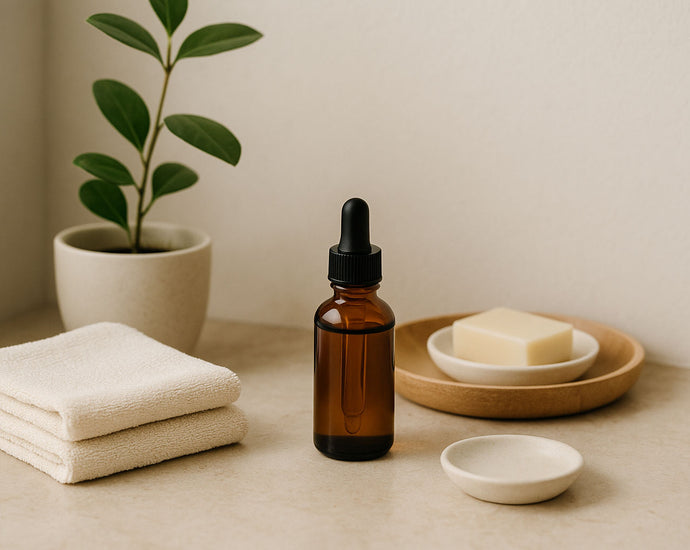
Optional targeted oil step: Try a few drops of Certified Organic Rosehip Oil or Bakuchiol Oil as part of your evening routine.
-
Seal with night cream: Apply Rejuvenate Anti Ageing Night Cream for overnight comfort.
Why this works: this structure answers the common question of how to tighten face skin by combining hydration + barrier support + long-term protection. It is simple, repeatable and kinder to sensitive or maturing skin.
How to tighten skin on face around sagging cheeks and jawline
When people ask how to tighten skin on face, they often mean cheeks and jawline. At home, the best strategy is to improve the overall appearance of tone and texture rather than trying to force dramatic lift.
Technique tips that help
-
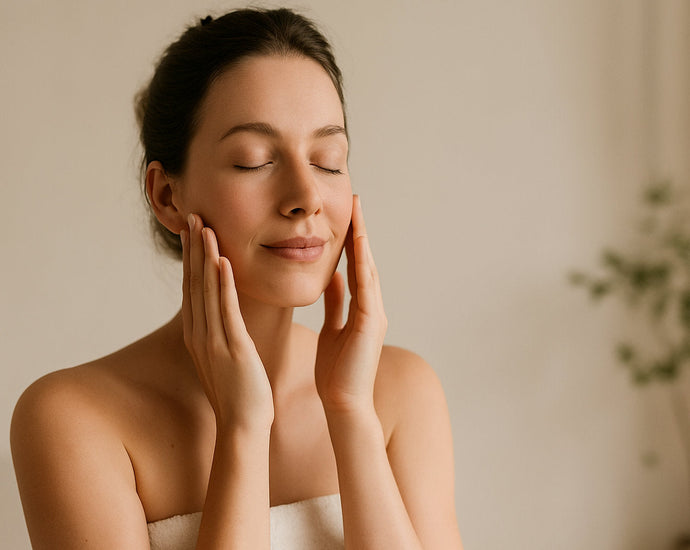
Use upward, gentle strokes: apply products with slow upward sweeps instead of vigorous rubbing.
-
Press rather than drag: pressing product in can feel more comfortable on delicate areas.
-
Be consistent: 8–12 weeks of regular care usually tells you more than 8–12 days.
-
Keep expectations realistic: aim for skin that looks more rested, smooth and supported.
If facial exercises interest you, limited research suggests they may offer modest improvements for some people, but they are not an instant fix. Think of them as optional support, not a replacement for daily skincare basics and UV protection.
Which ingredients can support firmer-looking skin?
You do not need a complicated ingredient list. A focused routine with a few well-chosen actives is usually enough.
Bakuchiol
Bakuchiol is commonly used in natural anti-ageing routines and has been studied for improving visible photoageing signs, with good tolerability in many users. If you prefer a botanical evening option, Bakuchiol Oil is a practical place to start.
Rosehip oil
Rosehip is popular for mature and dry skin because it feels nourishing while still absorbing well. Certified Organic Rosehip Oil can help skin feel softer and more comfortable, especially in evening routines.
Niacinamide, hyaluronic acid and barrier-friendly moisturisers
Hydration-focused formulas can improve the look of fine lines caused by dryness and support skin comfort. In practical terms, skin that is better hydrated tends to look smoother and less “creased” through the day.
Gentle exfoliation (1–2 times weekly)
Over-exfoliating can increase sensitivity, so keep it gentle. A measured routine with Rejuvenate Natural Face Scrub can help refine texture without overdoing it.
What usually does not help (or helps less than people expect)
-
Chasing “instant tightening” claims: temporary surface effects often fade quickly.
-
Using too many strong actives at once: irritation can make skin look worse, not better.
-
Skipping SPF: this undermines almost every other anti-ageing step.
-
Changing products every week: consistency beats constant switching.
-
Harsh cleansing: stripped skin can look dull, tight and less supple.
How long does it take to see visible changes?
Most people notice comfort and hydration changes first (often within 1–2 weeks). Texture and “firmer-looking” changes usually take longer, commonly 6–12 weeks of consistent care. If your concern is pronounced laxity, at-home care can still improve overall skin quality, but outcomes remain subtle compared with clinical procedures.
This honest timeline is important for anyone asking how do you tighten face skin without harsh treatments. The goal is steady improvement, not overnight transformation.
A simple 8-week plan you can actually follow
Weeks 1–2
- Set a gentle AM/PM routine and wear SPF daily.
- Focus on barrier comfort and hydration.
Weeks 3–5
- Add your chosen evening oil step (rosehip or bakuchiol).
- Introduce gentle exfoliation once weekly if skin is comfortable.
Weeks 6–8
- Increase gentle exfoliation to twice weekly only if well tolerated.
- Review progress by photos in the same lighting once per fortnight.
Tip: if skin becomes reactive, simplify again for a week. Calm, consistent skin often looks firmer than over-treated skin.
Build your firming-support routine with Conscious Skincare
If you want a ready-made pathway, start with the Rejuvenate collection for mature-skin support and pair with options from our cold-pressed oils collection for an evening nourishment step.
Read next: related guides
FAQs
Can you really tighten skin naturally at home?
You can improve the appearance of firmness, texture and comfort with consistent home care, but dramatic lifting is unlikely without procedures.
What is best for sagging cheeks at home?
A consistent routine with gentle cleansing, hydration, moisturiser, SPF and an evening support step (such as rosehip or bakuchiol) is usually the most reliable approach for sagging cheeks.
How often should I exfoliate if my skin is mature or sensitive?
Start once weekly and increase to twice weekly only if skin remains comfortable. More is not always better.
Is SPF really necessary if I mostly stay indoors?
Daily UV protection is still a key anti-ageing habit, especially for incidental daylight exposure near windows or during short outdoor periods.
How to tighten skin quickly before an event?
For short-term improvement, prioritise hydration, a supportive moisturiser and gentle application techniques. This can improve smoothness and comfort, but it is temporary.
So when someone asks how to tighten face skin naturally at home, the answer is rarely dramatic — but it can be powerful when consistent.
Final takeaway
If your goal is to learn how to tighten skin naturally, the most effective approach is not a single product — it is a consistent, gentle routine that supports barrier health and protects against UV every day. Keep expectations realistic, stay consistent for 8–12 weeks, and measure progress by how your skin looks and feels over time.
Educational content only; not medical advice. If you have persistent skin concerns, seek personalised advice from a qualified healthcare professional.
External references: NHS: Sunscreen and sun safety | PubMed: Bakuchiol vs retinol clinical study | JAMA Dermatology: Facial exercise pilot study