


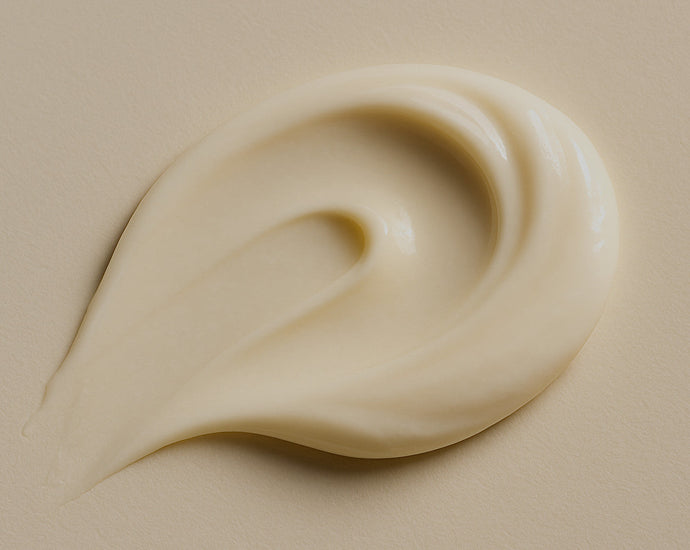


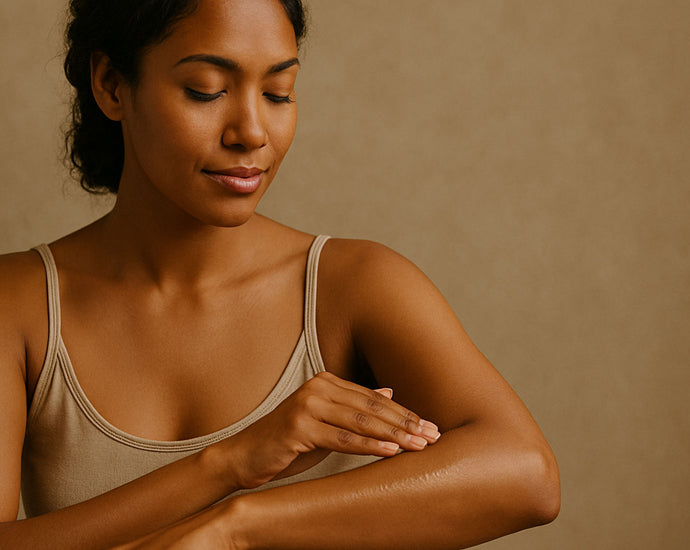





















What an amazing scent and luxurious lotion! I never run out!
This is a lovely product that I am never without! It also makes a great gift!
Love the smell. I enjoy using it every day!

by Rebecca Martin
Curious about rosehip oil for scars? This gentle, evidence-weighted guide explains what the research currently supports, how to use rosehip (seed) oil well, and when other options may be a better bet — with practical, skin-kind tips you can apply right away.
Cold-pressed rosehip seed oil naturally contains essential fatty acids (linoleic and alpha-linolenic acids) plus antioxidants. In skincare, that combination is prized for barrier support and comfort — helpful foundations when you’re caring for scarred or recently healed skin. Early evidence also points to anti-inflammatory activity, but outcomes in people vary and depend on scar type, age, and your wider routine.1, 3

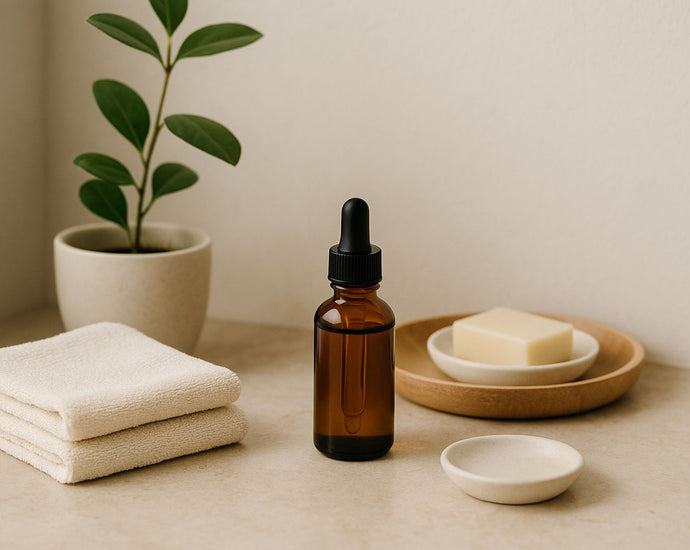
Prefer a certified-organic, cold-pressed option? Explore our oil here: Organic Rosehip Oil (Cold-Pressed).

Rosehip oil is typically pressed from the seeds, sometimes with fruit pulp present. Labels vary (“rosehip oil”, “rosehip seed oil”) but both can be suitable if they are cold-pressed, unrefined and fresh. Look for a subtle, natural aroma, a golden-amber hue, and packaging to limit oxidation.
AM: cleanse → hydrating serum (optional) → moisturiser → SPF. If you use vitamin C, let it absorb fully before moisturiser and SPF.
PM: cleanse → mist or hydrating step (optional) → 2–3 drops of rosehip → gentle moisturiser if needed. Sensitive skin? Introduce on alternate nights first.
Weekly: if you use exfoliating acids or retinoids, introduce them carefully around scarred or sensitive skin and avoid over-exfoliation. Space strong actives on different nights if your skin becomes irritated.

We meet those criteria here: Organic Rosehip Oil (Cold-Pressed).

Always patch test first if your skin is easily sensitised. Store the bottle cool, away from direct light and heat, and keep the cap tightly closed to slow oxidation. If the aroma changes sharply or the colour darkens significantly, it may be time to replace the bottle.
It may help the appearance and comfort of some scars (for example, after cutaneous surgery) when used consistently, but it won’t erase them. Evidence is promising yet limited; results vary by scar type and routine.1, 2
It can be part of a gentle routine for post-blemish marks. Keep expectations realistic, add daily SPF, and consider brightening serums if suitable for your skin.
There’s some supportive data for improved appearance after cutaneous surgery with twice-daily use on healed skin, but protocols vary — always follow your clinician’s advice.2
References: 1) Belkhelladi M. Rosehip extract and wound healing: A review. Journal of Cosmetic Dermatology, 2024. PubMed. 2) Valerón-Almazán P. et al. Evolution of Post-Surgical Scars Treated with Pure Rosehip Seed Oil, 2015. Original study. 3) Lei Z. et al. Rosehip Oil Promotes Excisional Wound Healing…, 2019 (preclinical). PubMed. 4) NHS: Scars — self-care & treatments. NHS.